
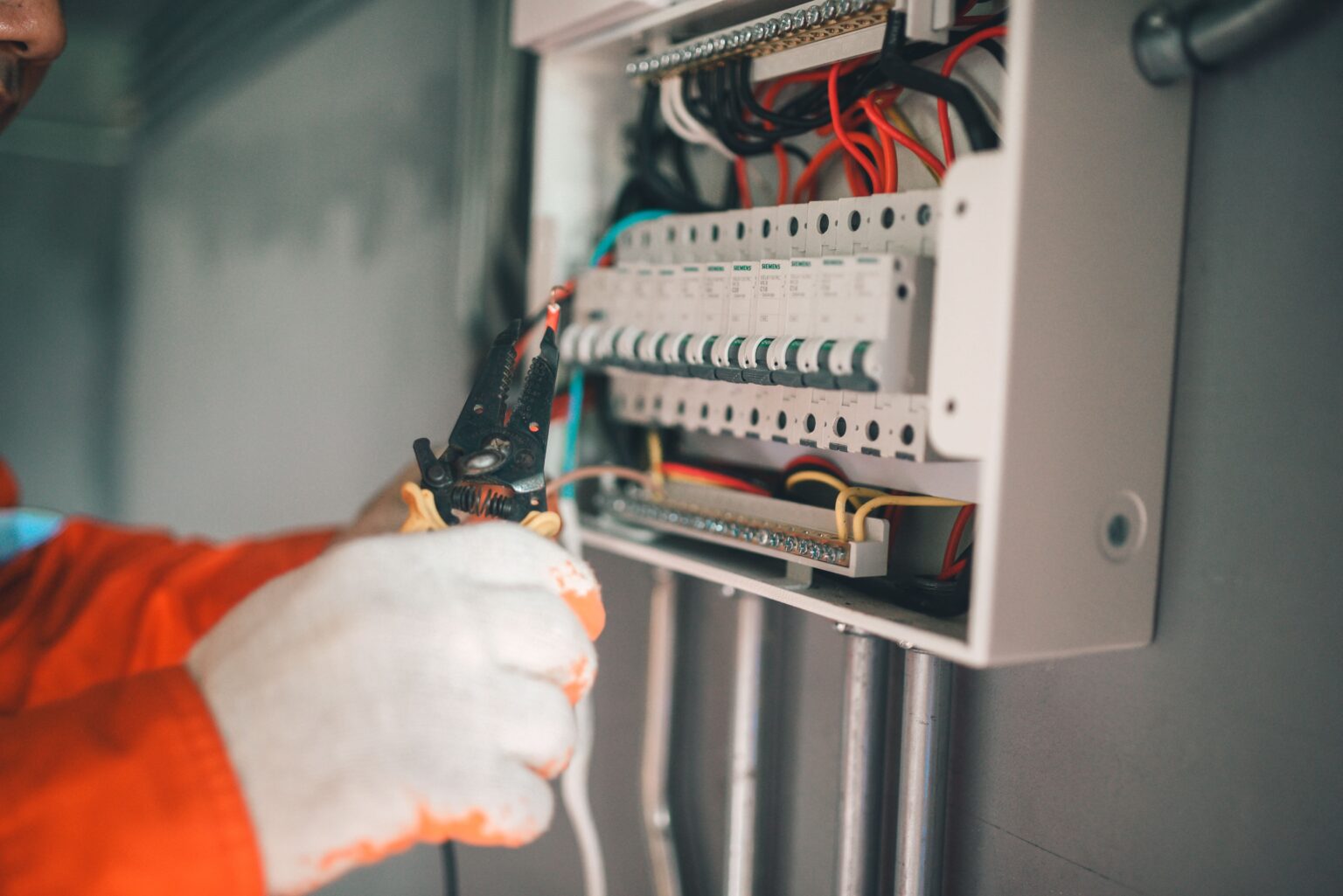
If you’re a qualified electrician from overseas living in Australia, or planning to move, you already know the frustration. Your skills are real. Your experience is solid. But without formal recognition, you’re working as a labourer or well below your level, earning a fraction of what you should.
The good news: there is a clear pathway. The bad news: it’s long, complex, and full of traps that can cost you months if you get it wrong.
This guide covers everything you need to know, from your first skills assessment all the way to your unrestricted electrical licence in Australia.
What does "skills recognition" mean for an overseas electrician in Australia?
In Australia, electricians are a licensed trade. This means you cannot legally work as an electrician without holding a valid state licence. Your overseas licence or diploma, whether from France, the UK, South Africa, the Philippines, or anywhere else, is not automatically recognised.
To work as a fully licensed electrician in Australia, you need to go through a formal recognition process managed by Trades Recognition Australia (TRA) and your state licensing authority.
The full pathway — from overseas electrician to unrestricted Australian licence
Here’s the complete process, step by step. The entire journey takes between 1.5 and 2 years from start to finish.
Step 1 — TRA Skills Assessment (3 to 6 months)
The first step is a formal skills assessment through TRA : Trades Recognition Australia. This assessment evaluates whether your overseas qualifications and work experience meet Australian trade standards.
What it involves :
- Documentary assessment, you submit your qualifications, employment references, payslips, bank statements, and identity documents
- Technical interview, conducted in English, you’ll be questioned on your electrical knowledge and experience
- Practical assessment, a full-day hands-on test where you demonstrate your skills in a real workshop environment
Important : the practical assessment does not test Australian-specific regulations. It evaluates your overall technical level as an electrician.
If your assessment is successful, you receive an Offshore Technical Skills Record (OTSR) and a Skills Assessment letter, both required for your visa application and your provisional licence.
Realistic timeline : 3 to 6 months from your first contact with Oversix to receiving your skills assessment outcome.
For a complete guide on the skills assessment process, see our Skills Assessment Australia page.
Step 2 — Provisional Licence
Once you have your OTSR, you can apply to your state licensing authority for a provisional electrical licence. This allows you to work legally in Australia, but only under the direct supervision of a fully licensed electrician.
Requirements vary slightly by state, but the process is broadly the same across Australia.
Step 3 — Gap Training + 12 Months Supervised Work
With your provisional licence in hand, you enter the gap training phase. This involves two things happening simultaneously :
- 12 months (or 1,000 hours) of supervised work under a licensed electrician : you’re working, earning, and building your Australian experience
- 3 weeks of classroom training covering Australian-specific regulations, codes of practice, and safety standards that weren’t part of your overseas training
This phase is where most overseas electricians are when they say they’re “in the process.”
Step 4 — The Capstone Assessment
Once your gap training is complete, you sit the Capstone assessment : the same final exam that all Australian-trained electricians must pass. It runs over approximately one week and tests your knowledge of Australian electrical standards, safety regulations, and practical skills.
This is the most important exam in the entire process. Pass it, and you receive your Certificate III in Electrotechnology.
Step 5 — Unrestricted Electrical Licence
With your Certificate III in hand, you can apply for your unrestricted electrical licence from your state authority. This is the finish line. You can now work independently as a fully licensed electrician in Australia, no supervision required.
Typical salary at this stage : $90k–$140k+, with FIFO and mining roles reaching significantly higher.
The most common reasons overseas electricians fail or get delayed
After working with hundreds of overseas tradies, here are the mistakes we see most often :
1. Poorly written employer reference letters
TRA has strict requirements for employment references. A letter that simply says “John worked here as an electrician” is not enough. References must detail the specific tasks performed, the duration, and be signed by a qualified supervisor. A weak reference letter is the number one reason applications are delayed or rejected.
2. Missing or untranslated documents
If your qualifications or employment documents are not in English, they must be translated by a NAATI-certified translator. Submitting untranslated documents will get your application rejected immediately.
3. Poor preparation for the technical interview and practical assessment
The practical and theoretical assessments are conducted entirely in English, interpreters are not permitted. Candidates who arrive without adequate preparation, or with insufficient English, regularly fail. The assessment covers a broad range of electrical topics and requires solid preparation.
4. Insufficient financial evidence
TRA requires proof of employment in the form of payslips and bank statements, not just a reference letter. Many applicants don’t understand this requirement and submit incomplete evidence.
How long does the full process take?
| Stage | Estimated time |
|---|---|
| TRA Skills Assessment | 3–6 months |
| Provisional Licence application | 1–3 weeks |
| Gap Training + Supervised work | 12 months |
| Capstone assessment | 1 week |
| Unrestricted Licence application | 2–4 weeks |
| Total | 1.5 to 2 years |
This might seem long, but every month you delay is another month earning below your potential. The sooner you start, the sooner you finish.
Do you need a skills assessment if you're applying for a 482 visa?
For licensed trades (electricians, plumbers, refrigeration mechanics), a skills assessment is not strictly mandatory for a 482 employer-sponsored visa. However, you still need your OTSR to apply for a provisional licence, which means you’ll need to go through TRA regardless.
If you’re applying for a skilled migration visa (189, 190, or 491), a skills assessment is mandatory.
Why work with Oversix?
You can navigate this process alone. TRA’s website is public. But the number of overseas electricians who arrive unprepared, submit incomplete applications, or fail their practical assessment because they didn’t know what to expect is significant, and every mistake costs months.
At Oversix, we guide you through every stage :
- We prepare your employment references to meet TRA standards
- We advise on document translation requirements
- We prepare you for the technical interview and practical assessment
- We provide revision materials and support throughout
- We’ve guided 100+ overseas tradies through this process
The first step is free. Our eligibility check takes 60 seconds and gives you a clear picture of where you stand and what your pathway looks like.
Check your eligibility in 60 seconds
Tell us about your trade and experience. We’ll tell you exactly what you qualify for. Free, no commitment.
Frequently asked questions
Do I need an Australian qualification to work as an electrician in Australia?
Yes. Electrician is a licensed trade in Australia. To work legally, you must go through a skills assessment process, obtain the Australian qualification, and then apply for the state-based electrical licence.
Can overseas electricians apply for skills recognition in Australia?
Yes. Qualified overseas electricians can apply for an Australian Trade Recognition through the OSAP (Offshore Skills Assessment) Program.
What qualification is usually required in Australia for electricians?
The standard qualification is the Certificate III in Electrotechnology Electrician, often combined with: skills assessment for overseas, gap training / capstone and state-based licensing requirements.
What is the difference between skills assessment and RPL?
- Skills assessment: formal evaluation of your qualifications and work experience for migration purposes.
- RPL: conversion of overseas experience into an Australian qualification.
They are often connected steps in the pathway.
Is a skills assessment required for an electrician visa application?
Yes, for most skilled visas, electricians must complete a formal skills assessment with the relevant authority before applying for a skilled migration visa.
Can I work as an electrician while my assessment is in progress?
No, not officially as an electrician. However, some candidates may work in trade assistant roles or related support positions depending on employer arrangements.
How long does the electrician skills recognition process take?
- Document preparation: a few weeks
- Application review: a few weeks/months
- Booking: depends on availability and location
- Skills Assessment (technical itv + practical assessment): half a day
Overall timelines depend on documentation quality. The strongest your application is, the fastest we can lock your assessment.
Do I need to be in Australia to start the process?
No. The process can be done offshore, especially if applying for a visa outside of Australia. But some stages such as gap training, capstone and licensing may require being in Australia.
What kind of salaries can electricians expect in Australia?
Salaries vary by state and sector, but electricians are among the best-paid trades, especially in high demand sectors like mining/FIFO, industrial projects & resources, construction, housing, residential and commercial works. The hourly rate in the city can go up to $70 per hour and sometimes more than $90 an hour on remote location, depends on allowances, penalties (night shifts, public holidays, weekends…)
Can this pathway lead to permanent residency?
Yes. Electricians are eligible for multiple skilled migration pathways, including employer sponsorship and skilled visas, subject to eligibility criteria.
Ready to find out if you qualify?
It takes 60 seconds. No commitment. Just clarity.