
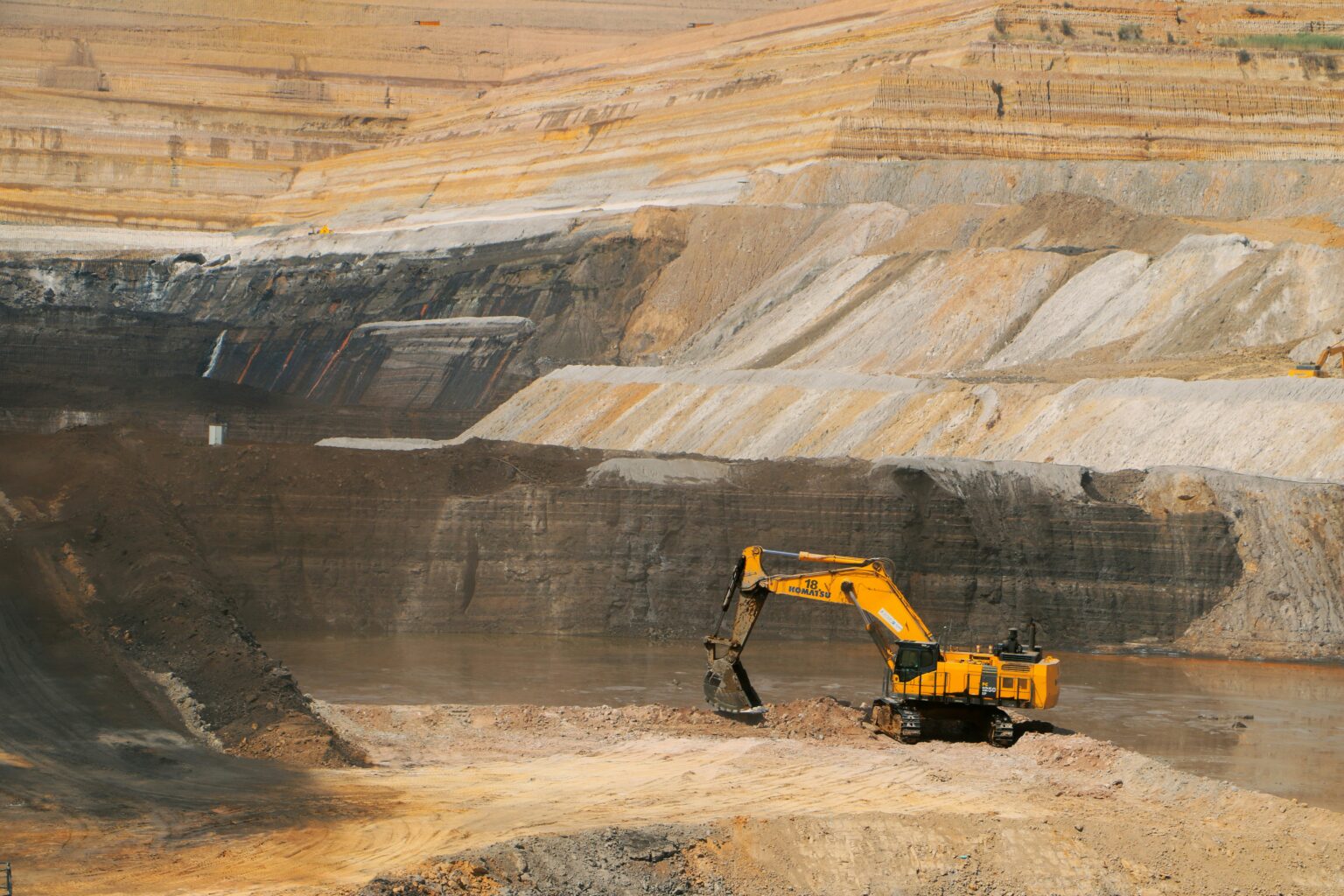
For many skilled migrants, FIFO roles offer a real opportunity to enter Australia’s mining and construction workforce, but the application process can be unfamiliar and challenging without the right preparation. Here are our top tips to apply for FIFO roles.
1. Understanding the FIFO Job Market
FIFO Jobs are mostly in remote locations:
- Mining/construction sites
- Oil & Gas
- Marine & Offshore
Employers prioritise adaptability, team work, and candidates physically fit for work. Safety awareness is also a must.
2. Safety Awareness & Compliance
This is the most important topic in the FIFO & mining sector. Safety awareness, hazard & risk identification are a MUST, make sure you mention them while applying. You’ll also need the relevant tickets & licences required according to your work. The most commons are:
- Working at Heights
- Confined Spce
- First Aid
- High Risk Work Licence (forklift, EWP… etc.)
- Driver Licence
3. Highlight your Key Skills
You have to build your resume to the specific FIFO role. Make sure to mention your soft skills like:
- Experience with specific equipment
- Experience with safety protocols
- Problem-solving skills, fault finding
- Experience with height, high pressure or heat
- Experience with specific machinery and resources (cold, copper, iron ore…)
4. Work in Remote Locations
Most of time, FIFO work and rosters require to stay in remote areas for several days/weeks with limited social interactions. If you are not afraid of being isolated, then make sure to mention:
- Previous experience in remote locations
- Ability to do long travel for work
- Adaptability to weather condition (e.g: work under the heat)
- Ability to do long/nights shifts
5. Availability & Flexibility
Most of time, FIFO work and rosters require to stay in remote areas for several days/weeks with limited social interactions. If you are not afraid of being isolated, then make sure to mention:
Previous experience in remote locations
Ability to do long travel for work
Adaptability to weather condition (e.g: work under the heat)
Ability to do long/nights shifts
6. Go Straight to the Point
Employers spend only a few seconds reading a resume. Make sure yours is clear and concise so they can quickly indentify if you’re the right candidate. Keep your CV clear, structured, easy to read and identify skills.
FIFO opportunities can open doors when you’re properly prepared. If you’re unsure about your readiness, documentation or pathway, our team can help you assess your profile and move forward with confidence.
Did you like this article? You might also like “FIFO Jobs in Australia: High demand doesn’t mean easy access”
Check your eligibility in 60 seconds
Tell us about your trade and experience. We’ll tell you exactly what you qualify for. Free, no commitment.
Frequently asked questions
What does FIFO mean in Australia?
FIFO stands for “Fly-In Fly-Out”. It refers to jobs where workers are flown to remote worksites for a set roster, then return home during their time off.
What industries offer FIFO jobs?
FIFO roles are mainly found in mining, construction, oil & gas, marine, and offshore projects across Australia.
Do I need experience to apply for FIFO jobs?
Experience is highly valued, but entry-level FIFO roles exist if you have the right tickets, a strong work ethic, and relevant transferable skills.
What tickets or licences are required for FIFO work?
Common requirements include Working at Heights, Confined Space, Gas Testing, First Aid, High Risk Work Licences (e.g. forklift, EWP), and a valid driver’s licence. They are often connected steps in the pathway.
How important is safety awareness for FIFO roles?
Safety is essential. Employers prioritise candidates who understand hazard identification, risk management, and strict safety procedures.
What skills should I highlight in my FIFO resume?
You should highlight equipment experience, problem-solving abilities, safety compliance, fault finding, and experience in harsh or remote environments.
Is FIFO work physically demanding?
Yes. FIFO jobs often involve manual labour, long shifts, and working in extreme conditions such as heat, dust, or remote locations.
What is a typical FIFO roster?
Common rosters include 2:1 or 3:1 (e.g. 2 weeks on, 1 week off), but they vary depending on the employer and project.
Do I need to be flexible to work FIFO?
Yes. Flexibility is key, as rosters can change and employers may require short-notice availability or extended shifts.
How can I improve my chances of getting a FIFO job?
A strong CV, relevant tickets, clear safety awareness, and highlighting adaptability to remote work significantly increase your chances.
Ready to find out if you qualify?
It takes 60 seconds. No commitment. Just clarity.